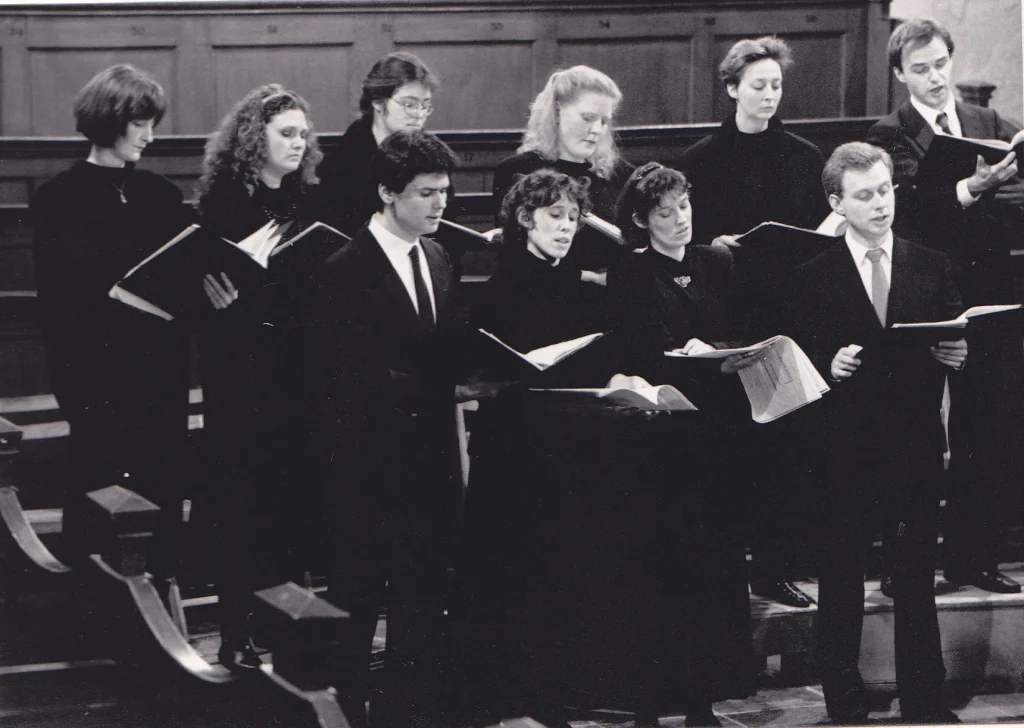
background
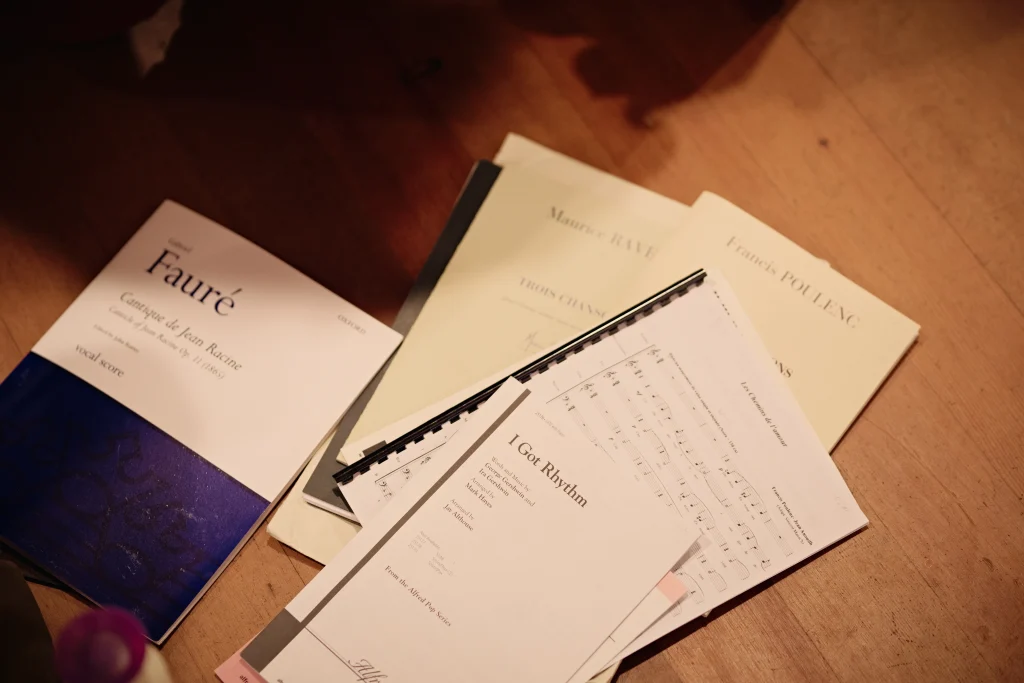
“Cantique de Jean Racine ” is one of the best-known choral works by the French composer Gabriel Fauré. He wrote the piece in 1865, when he was still a student at the École Niedermeyer in Paris. The work was composed as a graduation project and was awarded the school’s first prize, an early recognition of Fauré’s exceptional talent.
The text is a French paraphrase of a Latin hymn from the Catholic liturgy, *Consors paterni luminis*, written by the seventeenth-century poet Jean Racine. The poem is an evening hymn that praises Christ as the “light of the world,” a theme of peace, tranquility, and devotion.
Fauré set the text to music for mixed choir with organ accompaniment; he later also composed a version for orchestra. The music unfolds in a flowing melodic line, carried by warm harmonies and a gentle, almost meditative atmosphere.
Although the piece was composed during his student years, it displays many characteristics that would later become typical of Fauré: refined harmony, a lyrical melodic style, and a remarkable sensitivity to the text. As a result, Jean Racine’s *Cantique* remains a beloved work in the choral repertoire, both in liturgical settings and in concert programs.
lyrics
Let us entrust to the Most High, our only hope,
Eternal Day of the Earth and the Heavens
We break the silence of the peaceful night,
Divine Savior, look upon us,
Pour out upon us the fire of your mighty grace,
May all hell flee at the sound of your voice,
Dispel the slumber of a languishing soul
Which leads her to forget your laws!
O Christ, be gracious to this faithful people,
Pour te bénir maintenant rassemblé;
Receive the songs he offers in praise of your immortal glory,
And it is because of your gifts that he returns home overjoyed.
performers
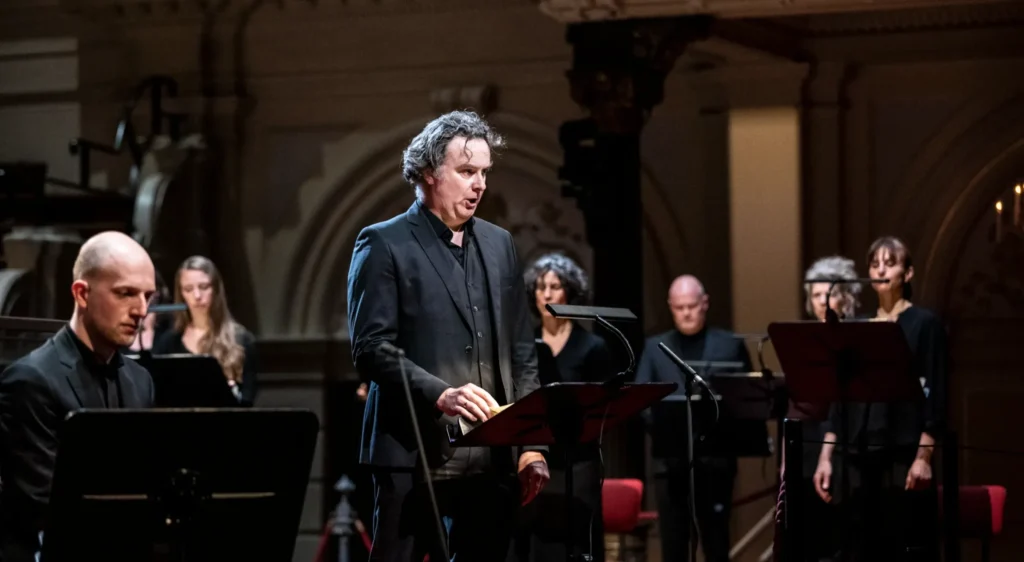
Cappella Amsterdam
Daniel Reuss conductor
Julien Libeer piano