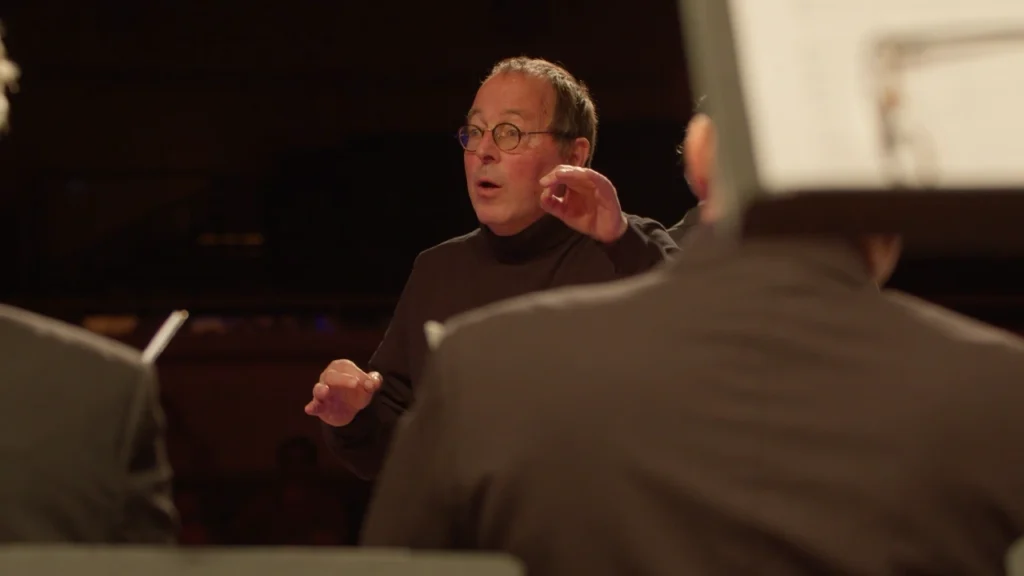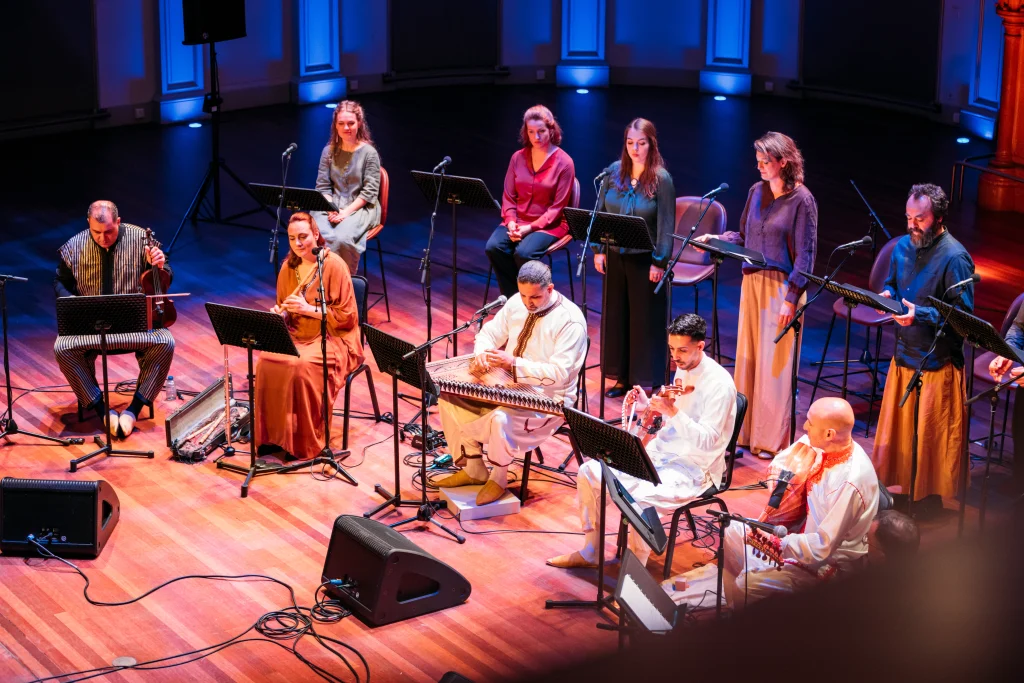
The Amsterdam Andalusian Orchestra (AAO) preserves a forgotten musical heritage — and brings it to life, across genres and generations.
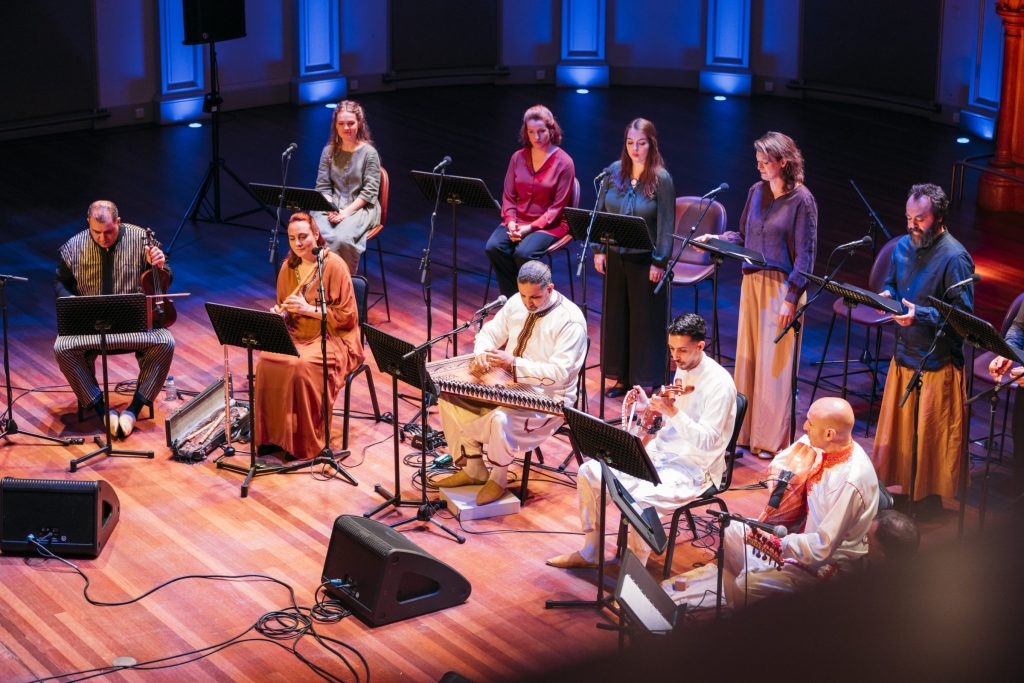
Imagine: you’re sitting in a concert hall in Amsterdam and something comes from the stage that you can’t quite place. It has something of flamenco, but also of Arabic classics. There’s a hint of jazz. And yet, despite all these familiar elements, it remains something unknown. This is the music of Al Andalus: the medieval Iberian Peninsula where Muslims, Christians and Jews lived side by side for centuries, creating a unique culture. And this is the sound of the Amsterdam Andalusian Orchestra.
Connect, Activate, Deepen
In those three words, the AAO sums up its mission.
Founded in 2011, now nearly fifteen years later it has grown into one of the most distinctive ensembles in the Dutch cultural sector. What began as a mission to preserve a specific musical heritage has grown into something far greater. “Heritage is not just something you preserve — you activate it,” the orchestra says. And that is precisely what the AAO does: in concert halls, in neighbourhoods, in schools, at festivals and at iftars.
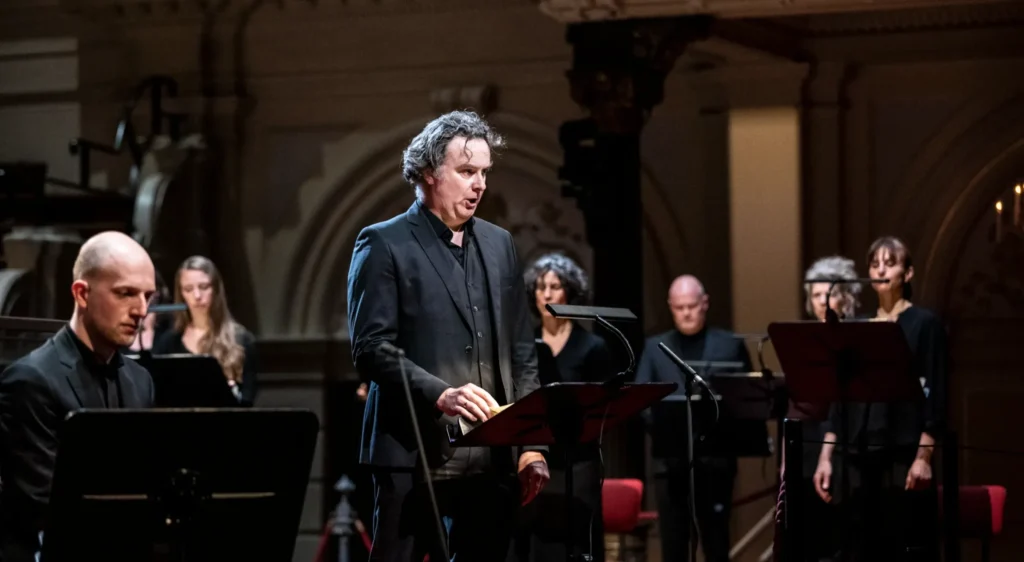
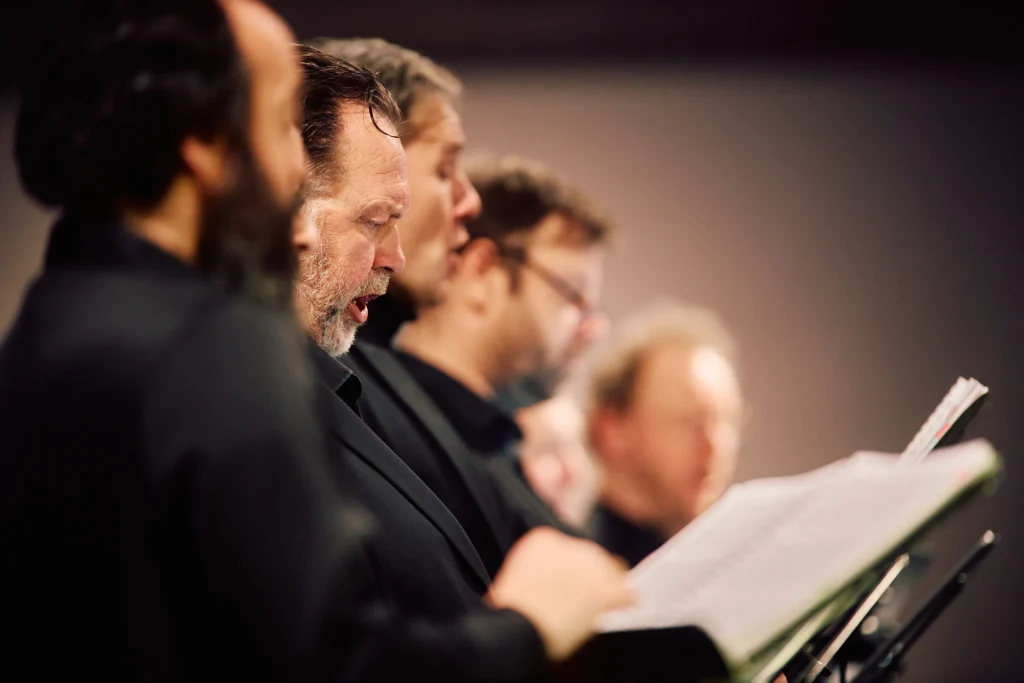
Cappella Amsterdam and AAO during Cantigas 2026 in Haarlem by ShotByMeesterwerk
A heritage that Europe is reclaiming
The Andalusian musical tradition is an overlooked yet rich chapters in European cultural history. When Muslims and Jews were expelled from the Iberian Peninsula in 1492, they took their music with them to North Africa and the Middle East. That tradition lives on in cities like Fez, Tlemcen and Tunis — while Europe had largely forgotten its own legacy.
The AAO is bringing that music back. But the orchestra does more than conserve. “We want to show that Arabo-Andalusian music is not something marginal or exotic, but a fully-fledged musical language, here and now,” the ensemble says. By connecting Andalusian music to stories, poetry and theatre, it gives the music a new voice — one that speaks to people who have never heard of Al Andalus.
“Their work is multidisciplinary. The performers transcend fixed forms and enter into many collaborations that enrich their work further.”
— Jury, Cultuurfonds Prize 2024
Three directions, one orchestra
Over the years, the AAO has charted its own course along three areas of focus, each with its own character but sharing a common root.
- Maghrebi & Andalusian: from flamenco to arabo andalus, from gharnati to sefardi ladino
- Eastern classical Arabic repertoire: tributes to Abdelhalim Hafez, Umm Kulthum, Fairouz
- Amsterdam & Contemporary: jazz, world and classical music brought together within one ensemble
Those three lines are not merely programmatic choices. They reflect the reality of Amsterdam itself. The orchestra is rooted in Amsterdam West and Nieuw-West — not only geographically, but artistically and socially. “What the city has taught us is that you cannot separate art from the people around you,” the ensemble says. “We perform just as naturally in large concert halls as in neighbourhood spaces, at festivals, at iftars, in schools or at MAQAM.”
Collaboration as artistic method
A thread running through the AAO’s history is collaboration. With Lebanese singer Marcel Khalife. With Sami Yusuf, the British-Azerbaijani artist whose music reaches millions worldwide. With the Metropole Orkest. And with Spanish flamenco legend Estrella Morente — a collaboration that completed the circle, since flamenco and Andalusian music share the same deep roots. And of course with Cappella Amsterdam.
But these collaborations are not incidental. They are the way the AAO reaches audiences it would otherwise never find. “We reach people who already know this repertoire from home and feel emotionally connected to it. We reach a culturally engaged city audience open to new forms. And we also reach young people who come into contact with us through jam sessions, workshops or neighbourhood programming.”
Passing on music and more
In 2025, the AAO gave guest lectures at universities of applied sciences, organised workshops, children’s activities and masterclasses, and provided weekly music lessons for 125 children at Ibn Batouta. Impressive numbers — but for the orchestra, the aim runs deeper than reach. “We pass on music, but also self-confidence, context and perspective. Especially for young people with diverse cultural backgrounds, it matters that they feel: this belongs to me too, this is allowed to exist, this has value.”
That is a political act, even if the orchestra might not call it that. At a time when people’s origins are increasingly the subject of debate, the AAO tells a story about shared heritage — about a Europe that has always been polyphonic.
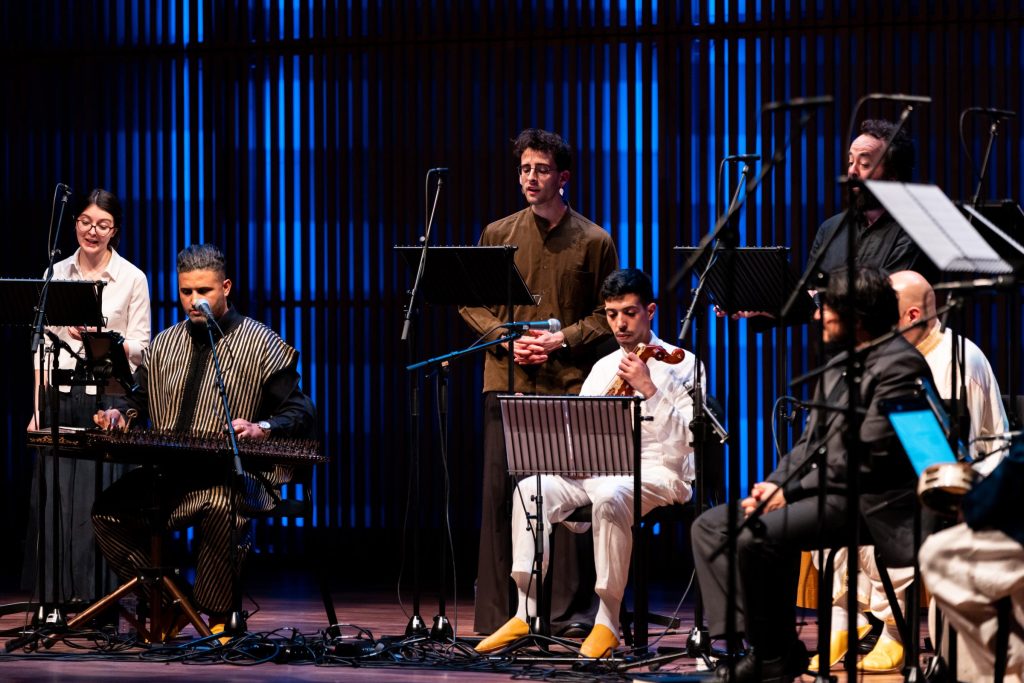
Cappella Amsterdam and AAO during Cantigas 2023 by Veerle Bastiaanssen
More than an orchestra
Anyone who sees the AAO as simply an ensemble is missing the bigger picture. The orchestra prefers to describe itself as an ecosystem: an artistic platform, a production house, a place for talent development, a community. And in major co-productions, it does not want to be seen as an accompanying ensemble, but as a fully-fledged creative partner.
The plans for the coming years are concrete: developing Dwight Breinburg’s solo programme towards a main-stage production, a new youth show reaching schools from 2027, and international tours that are no longer incidental but a permanent pillar of its work. Baby concerts. New forms of audience engagement. A movement that is growing.
“Our goal is not just to make concerts. It is a broader cultural movement: from recognition to discovery to acknowledgement.”
– Amsterdam Andalusian Orchestra
That movement begins with music. With a concert hall in Amsterdam where something sounds that you can’t quite place — but that moves you nonetheless. That is what the Amsterdam Andalusian Orchestra does. Not preserve. Activate.