background
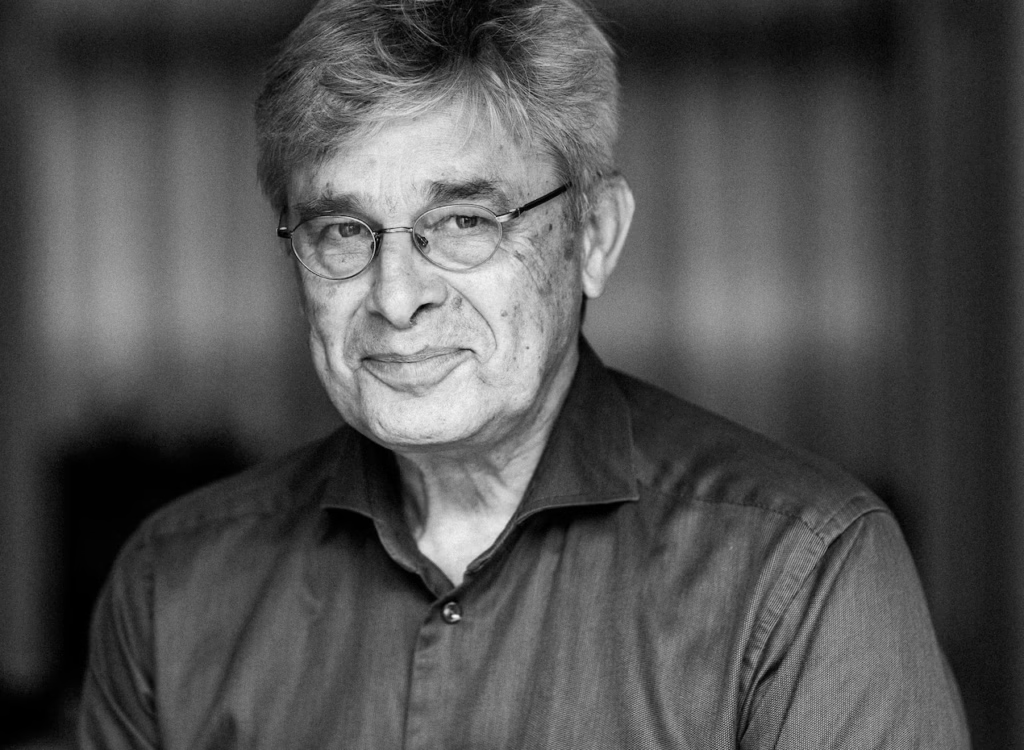
The multiple award-winning composer David Lang (*1957) is a professor of Music Composition at the Yale School of Music, composes for film and television, and has received Academy Award and Golden Globe nominations for his music for Paolo Sorrentino’s film YOUTH. He is also known as the co-founder and artistic director of the music festival Bang on a Can in New York.
His work solitary was commissioned by Cappella Amsterdam. solitary is part of a complete cycle, titled the writings. In 2022, this collection was released on CD by Cappella Amsterdam (label: Pentatone), and not only received praise from critics but was also nominated for the prestigious Edison Klassiek Award in the “choir” category. This nomination is a testament to the exceptional quality of both Lang’s compositions and Cappella Amsterdam’s performance.
The composition solitary itself is a meditation on loneliness and isolation. Lang uses simple musical means to evoke a profound sense of solitude. The choir parts are often transparent and sparse, with a lot of space between the notes, creating a feeling of emptiness and introspection. This minimalist use of musical material forces the listener to focus on the subtleties in the performance.
The texts of solitary are carefully chosen to enhance the theme of isolation. Lang often uses texts from religious or philosophical sources, adding an extra layer of meaning to his music. In solitary, the words are presented almost like a prayer, with repetitions that evoke a meditative state. This effect is heightened by Cappella Amsterdam’s masterful performance, whose precise and sensitive interpretation fully conveys the emotional depth of the music.
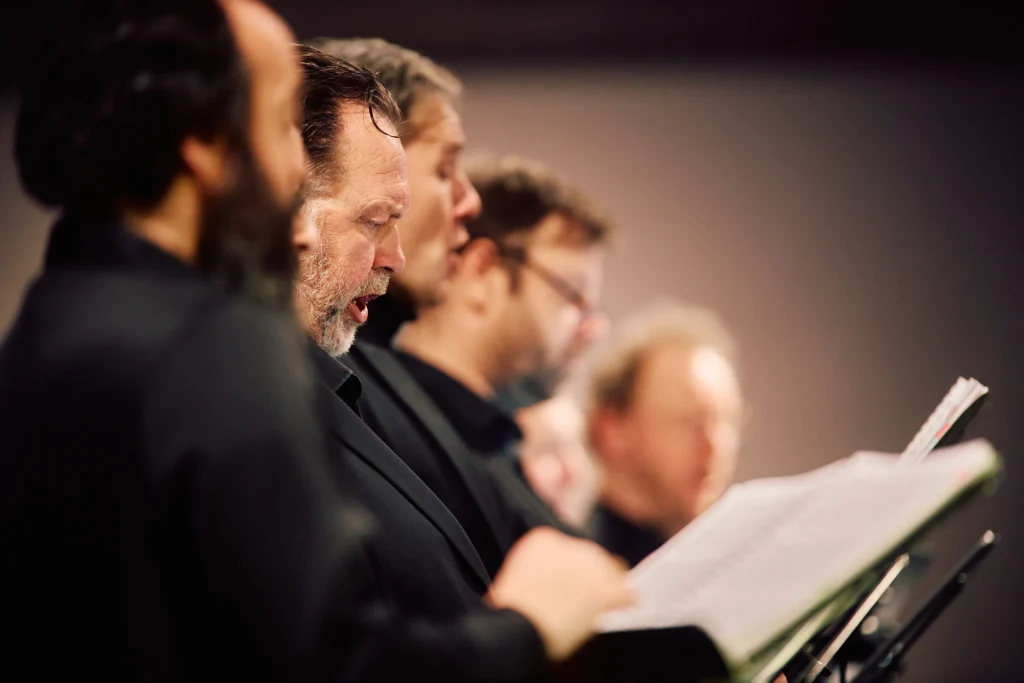
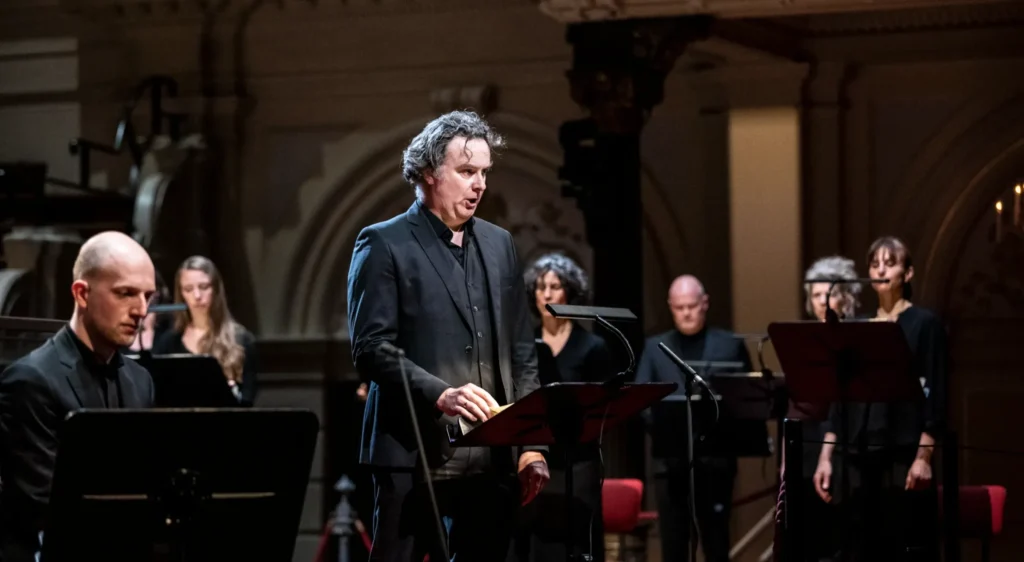
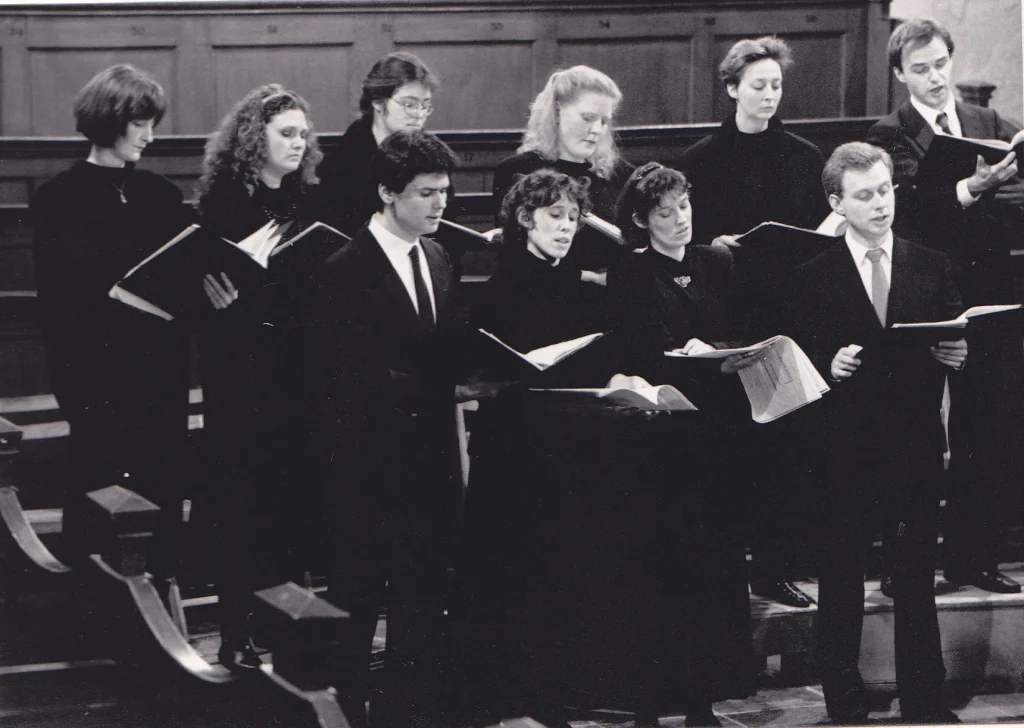
Cappella Amsterdam has a long history of performing both ancient and modern choral music, and their collaboration with contemporary composers like David Lang highlights their commitment to musical innovation and experimentation. Under the direction of Daniel Reuss, the choir has reached an exceptionally high level of musicality and technical perfection, which is evident in their recording of the writings.