
Artificial intelligence generates music, recognizes scores, and determines which album gets recommended to you on Spotify. Choral music, too, cannot escape this shift. What do AI and technology mean for choral music, for the people who create it, and for those who listen to it? Cappella Amsterdam investigates what’s changing, and what remains irreplaceable in the world of AI and choral music.
Music notation in the digital age
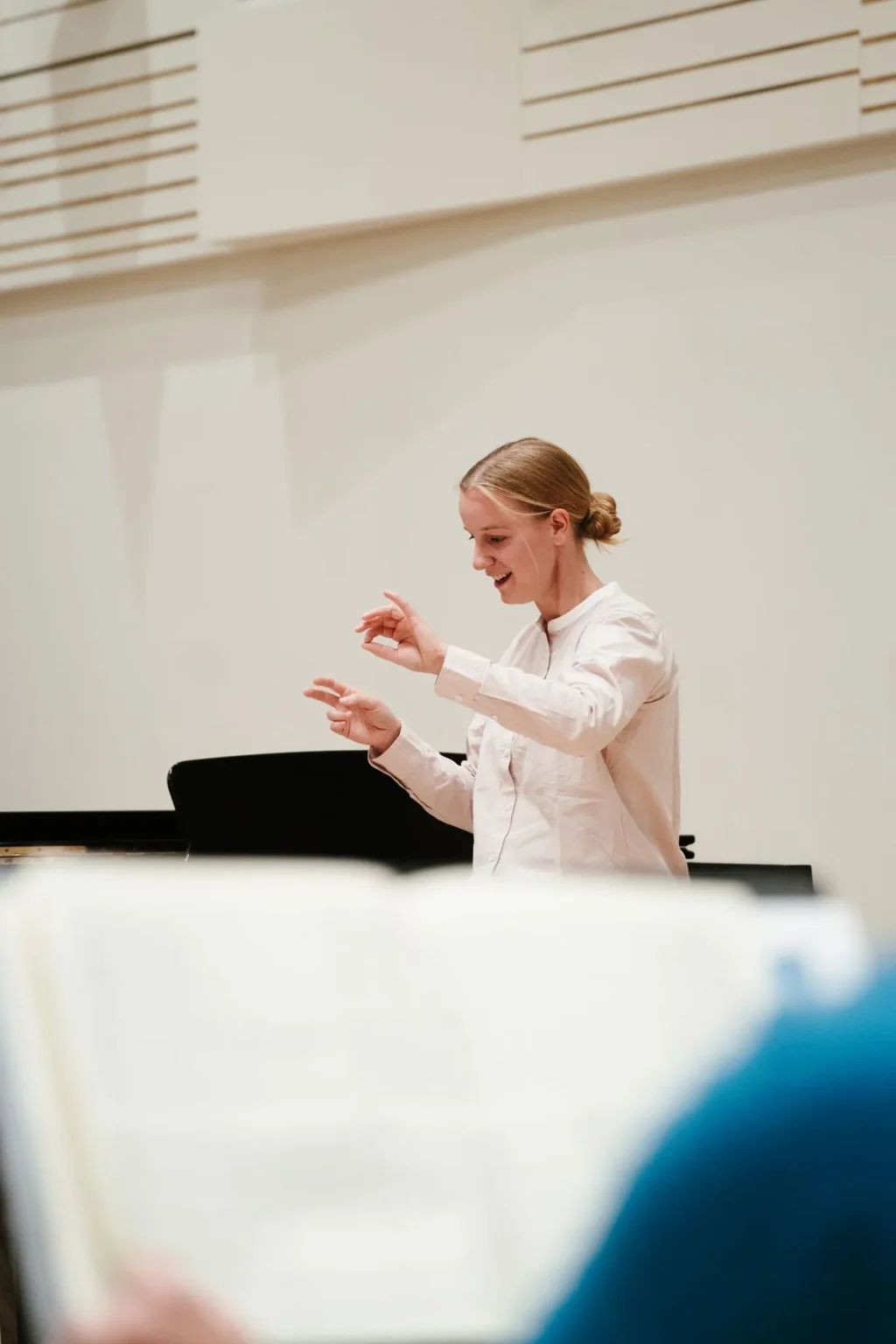
For centuries, composers wrote with pen and paper, but software such as Dorico and Sibelius has since become the standard in the music sector. AI features are increasingly appearing within these programs as well: automatic harmonization, suggestions for voice leading, or tools that quickly convert handwritten scores into digital notation. For choirs, this is primarily practical. New repertoire becomes available faster, error-prone transcription mistakes disappear, and composers can experiment more quickly with complex polyphonic structures, something chamber choirs worldwide particularly benefit from. The final judgment on a composition, however, remains human work: software sets the notes, but a conductor and singers are the ones who truly give the music shape.
Recording technique: microphone setup and AI restoration
A good choral recording depends on microphone technique, acoustics, and post-production. In parts of the music industry, AI tools now also play a role: software that filters out noise, optimizes the balance between voice groups, or restores old archive recordings to a contemporary sound quality. Electronic producers, from techno to experimental studio music, often embrace such tools precisely as an artistic instrument.
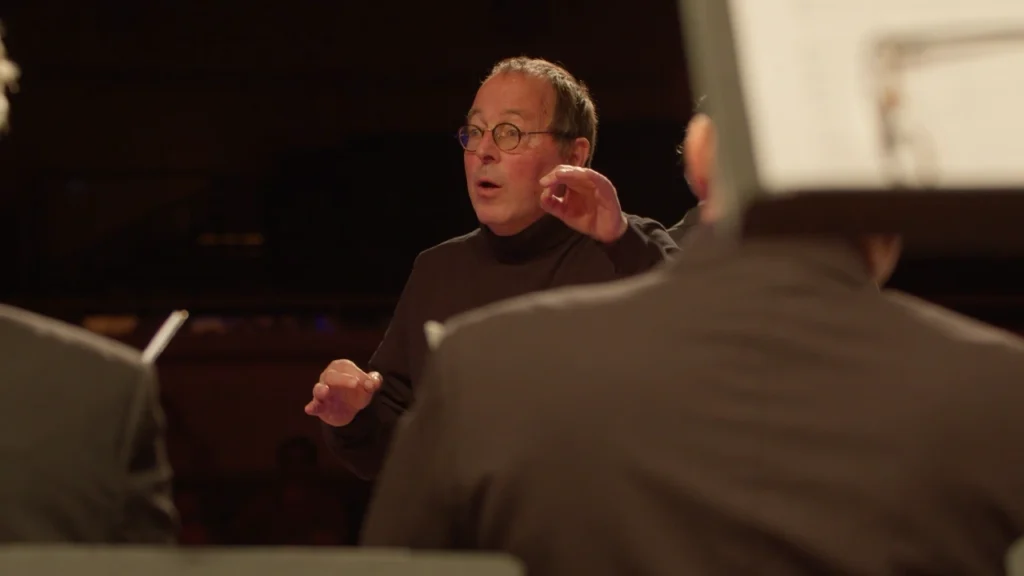
Cappella Amsterdam chooses a different path. The choir uses no AI software: conductor Daniel Reuss spends days in the studio with a sound engineer finding the balance between the voice groups by hand, recording by recording, until the sound is exactly right. That choice takes time, but produces a sound that is lived-in rather than calculated: the human ear remains indispensable, because AI only recognizes patterns and does not hear emotions.
Can AI compose choral music itself?
AI models now exist that can generate new music based on existing scores, including polyphonic vocal music. For individual vocal lines or simple voice parts, the results can already be convincing, but full choral music still proves to be a much greater challenge. This has to do not only with the complexity of multiple voices that must function simultaneously, but also with the limited amount of high-quality training data available. Good choral recordings are labor-intensive and costly to produce, which means relatively little quality material is available for models to learn from.
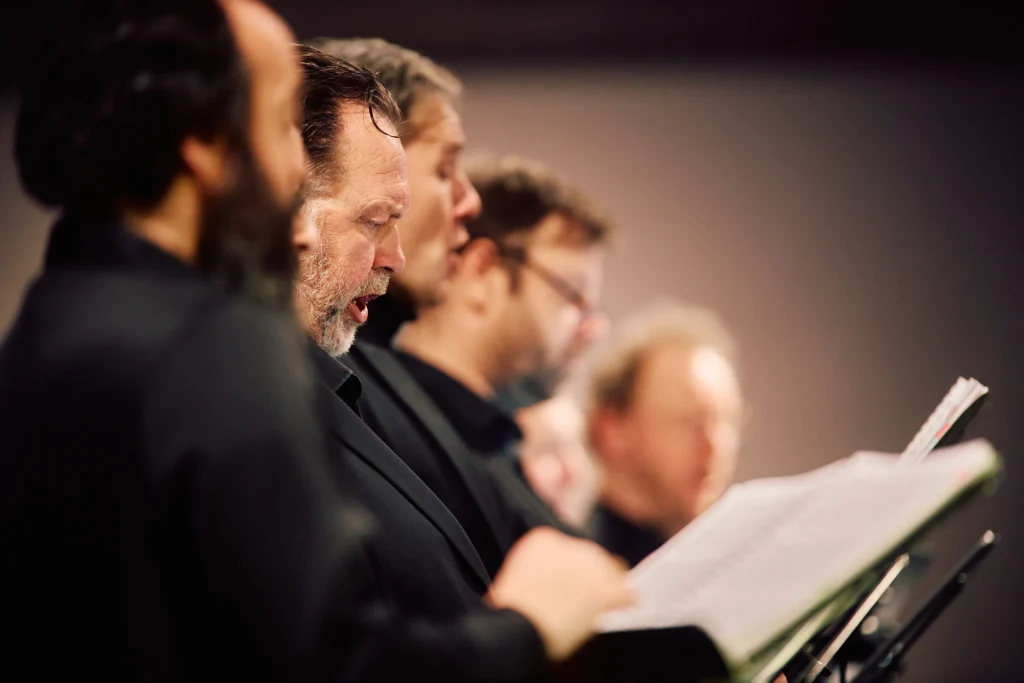
Even when AI-generated music sounds technically correct, it often still lacks the human layer that makes choral music special: the relationship between text and sound, the dramaturgical structure of a composition, the tension arc over a longer span, and the ability to convey meaning and emotion. In choral music specifically, it is not only the note that matters, but also the way a group of people breathe together, shape words, and unfold a musical idea. Composers tend to use AI as a tool, for instance to quickly hear variations, rather than as a replacement for their own artistic process. For a choir that thrives on text interpretation and tone color, the human remains, for now, the architect of the work.
What does this mean for listeners?
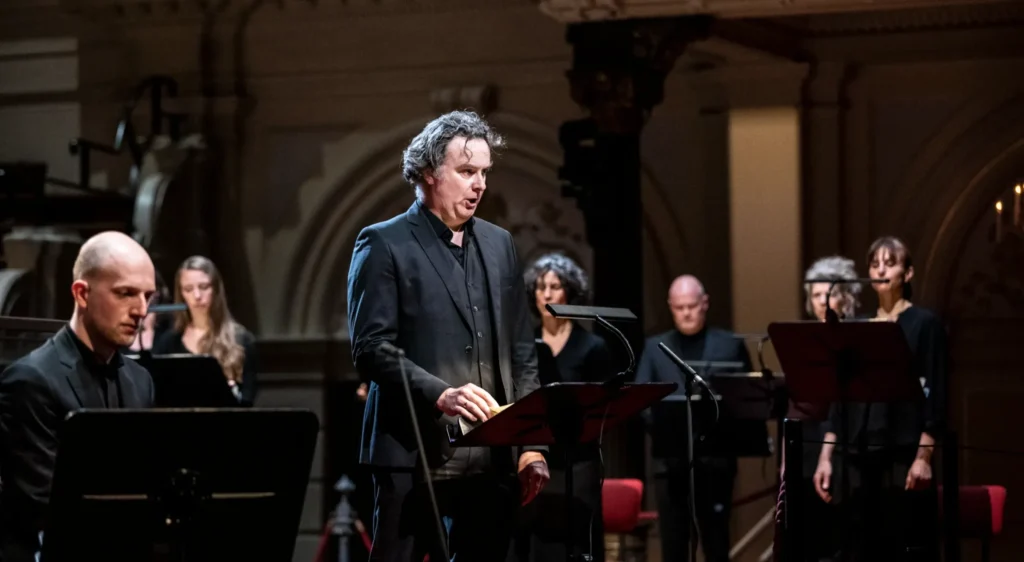
For audiences, this development represents an enormous enrichment: music is more accessible than ever, with thousands of recordings within reach and a sound quality previous generations could barely imagine. But the greater the digital availability, the more precious the physical moment becomes. A live concert is not a moment suggested by an algorithm, but an encounter that begins with one’s own curiosity and expectation. In the concert hall, singers and listeners share a unique moment that never returns in quite the same way anywhere else.
Curious how this technology and tradition come together in practice? Check Cappella Amsterdam’s calendar for upcoming concerts, or listen to recordings on Spotify and YouTube. Want to stay up to date on new releases and concerts? Sign up for the newsletter.