
No musical genre carries as much weight as the requiem: the mass for the dead, set to music by composers who each grappled with mortality, comfort, and hope in their own way. Mozart’s unfinished Requiem in D minor is considered the benchmark of the genre, but composers such as Verdi, Fauré, and Brahms bent the form radically to fit their own time and convictions. What exactly is a requiem, and why do each of these four sound so different?
Mozart's Requiem: fear, drama, and the unfinished
Mozart’s Requiem in D minor (1791) may be the most famous unfinished masterpiece in music history. Mozart died before he could complete the work; his student Franz Xaver Süssmayr finished the score based on Mozart’s sketches. That unfinished status has given the requiem an almost mythical reputation, reinforced by the legend that Mozart wrote the piece for himself.
Musically, Mozart’s Requiem is a child of classicism, but at its most dramatic: clear lines, contrapuntal craftsmanship, and an intense, sometimes unsettling directness. The Dies Irae rages like a hurricane, while the Lacrimosa is restrained and deeply moving at once. Mozart treats the liturgical text with reverence, but also with a theatrical sense of drama that still makes the work overwhelming in the concert hall today.
Verdi's Requiem: opera for the dead
Where Mozart seeks drama within the boundaries of the liturgy, Giuseppe Verdi breaks through those boundaries entirely. His Requiem (1874), written in memory of the writer Alessandro Manzoni, is essentially an opera without staging. Verdi was an opera composer through and through, and it shows: soloists sing with a vocal virtuosity that seems to come straight from the opera house, the orchestra is grand and colorful, and the Dies Irae is so explosive it seems to shake the walls.
Verdi’s Requiem was criticized by some at its premiere as too worldly for a sacred work. That criticism touches on exactly what makes the work so remarkable: it is not a subdued prayer, but a confrontation with death in all its overwhelming, terrifying grandeur.
Fauré's Requiem: comfort instead of damnation
Gabriel Fauré chose the opposite starting point. His Requiem (completed around 1900) largely leaves out the terrifying Dies Irae, the core of many other requiems. Fauré himself once called his work a “lullaby of death”: soft, comforting, almost serene. Instead of confronting the listener with the Last Judgment, Fauré emphasizes peace and redemption.
This choice makes Fauré’s Requiem one of the most beloved works in the genre, precisely because of its restraint. Where Verdi overwhelms the listener, Fauré embraces them. It is a requiem that offers comfort rather than instilling fear, revealing a completely different side of the same theme.
Brahms' Ein deutsches Requiem: no Latin, no liturgy
Johannes Brahms departed even further from tradition. His Ein deutsches Requiem (1868) uses no liturgical Latin text, but German biblical passages that Brahms compiled himself, aimed at comforting the living rather than praying for the dead. There is no Dies Irae, no judgment, no damnation: Brahms’ requiem is steeped in human warmth and philosophical reflection.
As such, the German Requiem is, in the classical sense, no longer really a sacred requiem at all, but a humanist choral work about grief, loss, and comfort. That is precisely what makes the work so remarkable: a requiem written not for the dead, but for those who remain.
Four requiems, four answers to death
What these four works show is how flexible the requiem is as a genre. Mozart seeks drama within the liturgy. Verdi lifts that drama to operatic heights. Fauré chooses comfort over fear. Brahms abandons the liturgy altogether and writes for the living. Four composers, four eras, four completely different answers to the same universal question: how do we give shape to loss?
It is precisely this versatility that makes the requiem one of the richest genres in choral music, and a recurring source of inspiration for choirs worldwide.
Listen to and experience the requiem in your concert hall
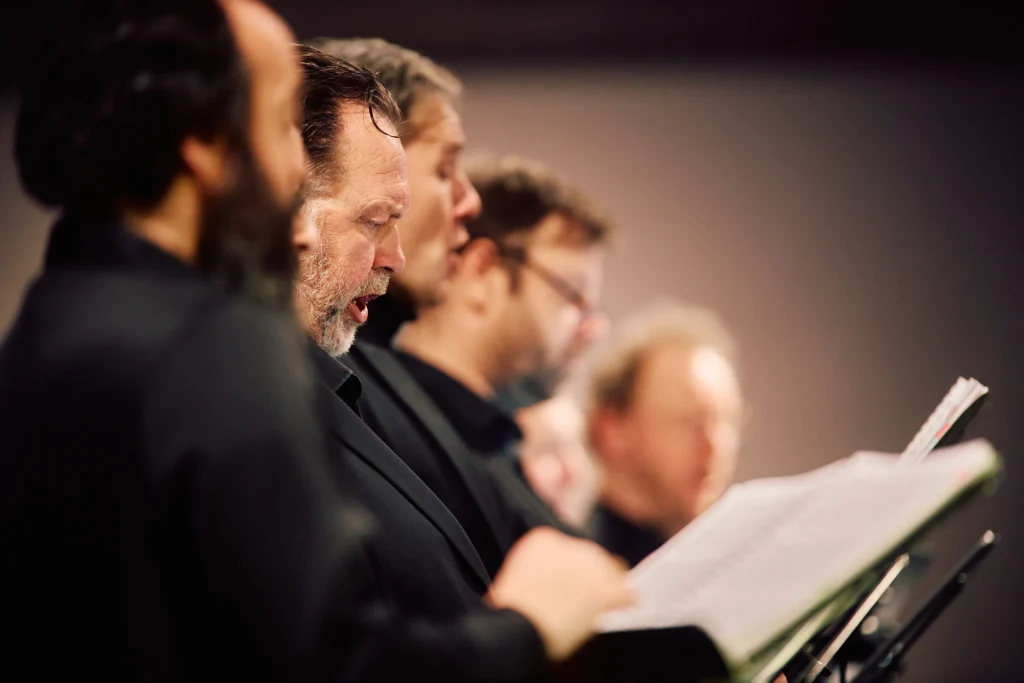
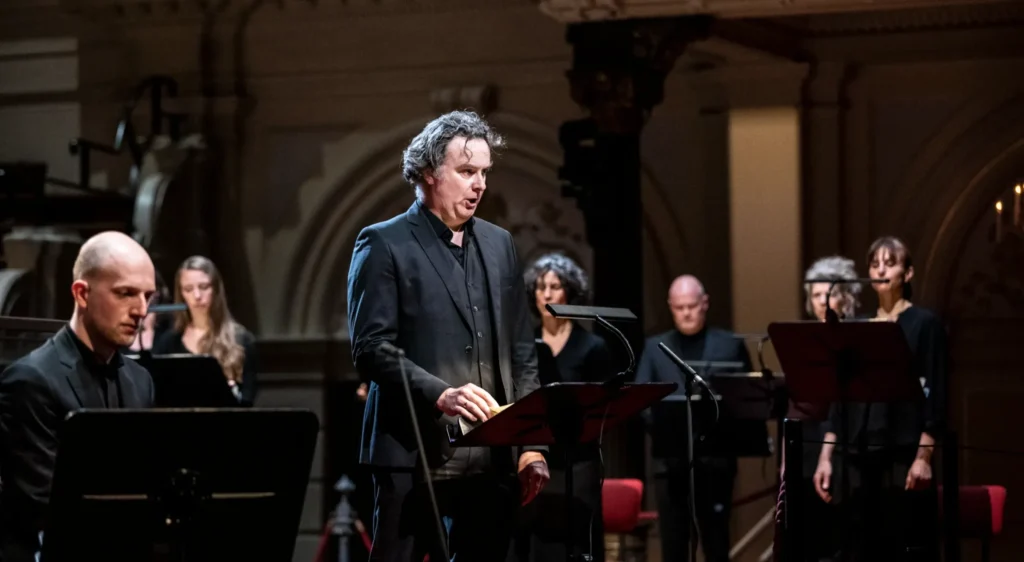
Want to not just read about these works, but hear them too? Cappella Amsterdam regularly performs requiems and related repertoire, from Fauré to contemporary composers pulling the genre into the twenty-first century. Check our calendar for upcoming concerts, or listen to recordings by our choir on Spotify and YouTube.
Sign up for the newsletter and stay up to date on new requiem performances.