programme
Georges Bizet (1838-1875) Symphony in C
George Balanchine choreography
Netty de Swardt costumes
Jan Hofstra lighting
Wolfgang Amadeus Mozart (1956-1791) Requiem
Toer van Schayk choreography, costumes and lighting
Toer van Schayk en Jan Hofstra (adaptation Bert Dalhuysen) lighting
Guy Klucevsek (1947–2025) and Alan Bern (*1955), Joseph Haydn (1732–1809), Pēteris Vasks (*1946) Simple Things
Hans van Manen choreography
Keso Dekker set and costumes
Joop Caboort lighting
Willem Jeths (*1959) Monument to a Universal Marriage (wereldpremière)
Kirsten Wicklund choreography
Tatyana van Walsum costumes
Wijnand van der Horst lighting
performers
Cappella Amsterdam
The National Ballet
The National Opera Studio
Dutch Ballet Orchestra
Bobbie Blommesteijn soprano
Ludmila Schwartzwalder mezzosoprano
Martin Logar tenor
Matija Bizjan bass
Koen Kessels conductor
background
Legacies opens with George Balanchine’s sparkling Symphony in C. In a tribute to the grandeur of classical ballet, he brings all the dancers to their sharpest with lively, swirling dance themes.
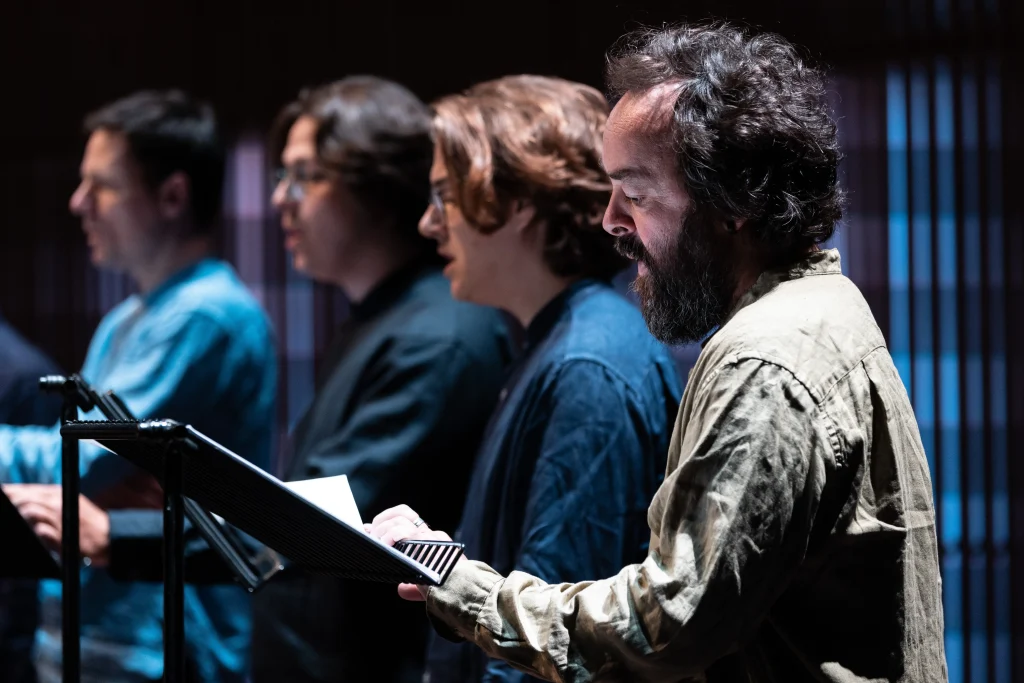
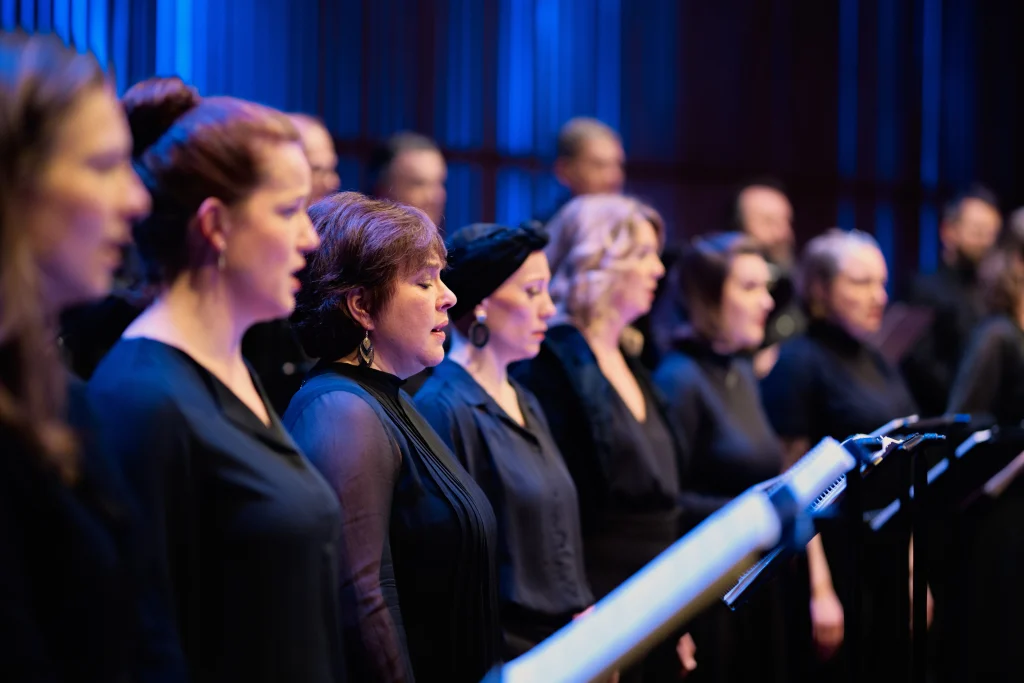
An absolute highlight is also Toer van Schayk’s Requiem, which we bring back in honour of his ninetieth birthday. Cappella Amsterdam performs Mozart’s Requiem with Dutch Ballet Orchestra conducted by Koen Kessels.
A premiere for The National Ballet is Hans van Manen’s Simple Things, a work of personal importance to him and one that was therefore also performed at his funeral ceremony. The choreography is performed to music by Guy Klucevsek and Alan Bern, Joseph Haydn and Pēteris Vasks.
Ten years after the first same-sex marriage, former Composer of the Fatherland Willem Jeths created a beautiful musical ode to this historic moment: Monument to a Universal Marriage. Now, another fifteen years later, his composition serves as the inspiration for a new ballet by young Canadian choreographer Kirsten Wicklund. Like Jeths, she will work with varying gender combinations in her choreography.
This programme has 2 intervals.