
programme
Victor Kalinnikov (1866–1901)
Excerpts from the Vespers:
Vo Tsarstvii Tvoyem (In Thy Kingdom)
Svete tihii (Gentle Light)
Bogoroditse Devo (Rejoice, O Virgin)
Nyne otpushchayeshi (Lord, Now Lettest Thou)
Heruvimskaya pesn’ No. 2 (Cherubic Hymn No. 2)
Alfred Schnittke (1934–1998)
Psalms of Repentance (Stikhi Pokayanniye):
I. Adam sat weeping at the gates of paradise
II. O wilderness, gather me
III. That is why I live in poverty
IV. My soul, my soul
V. O man, doomed and wretched
VI. When thy behed the ship that suddenly came
VII. Oh my soul, why are you not afraid
VIII. If you wish to overcome
IX. I have reflected on my life as a monk
X. Christian people, gather together!
XI. I entered this life of tears a naked infant
XII. (wordless)
performers
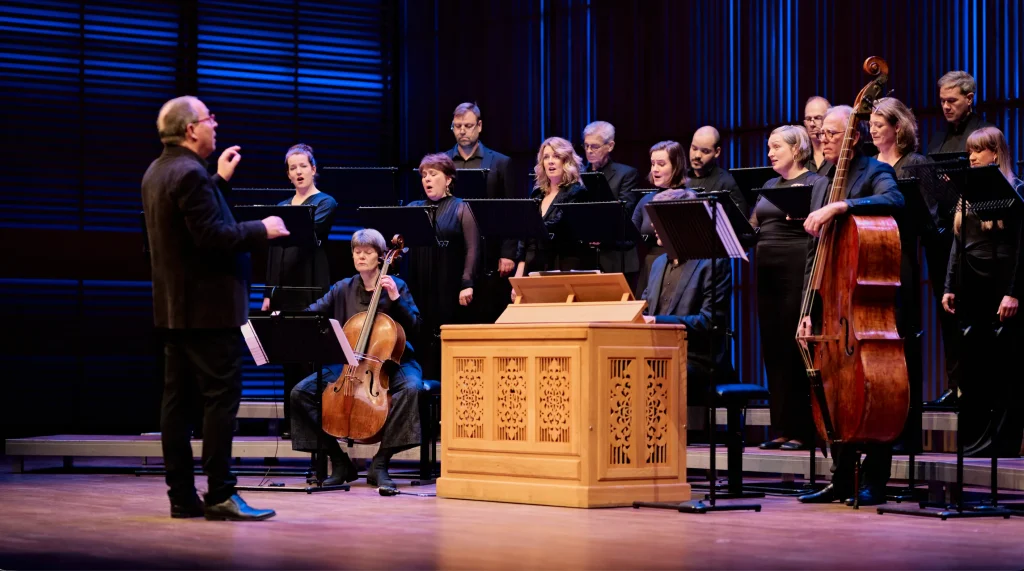
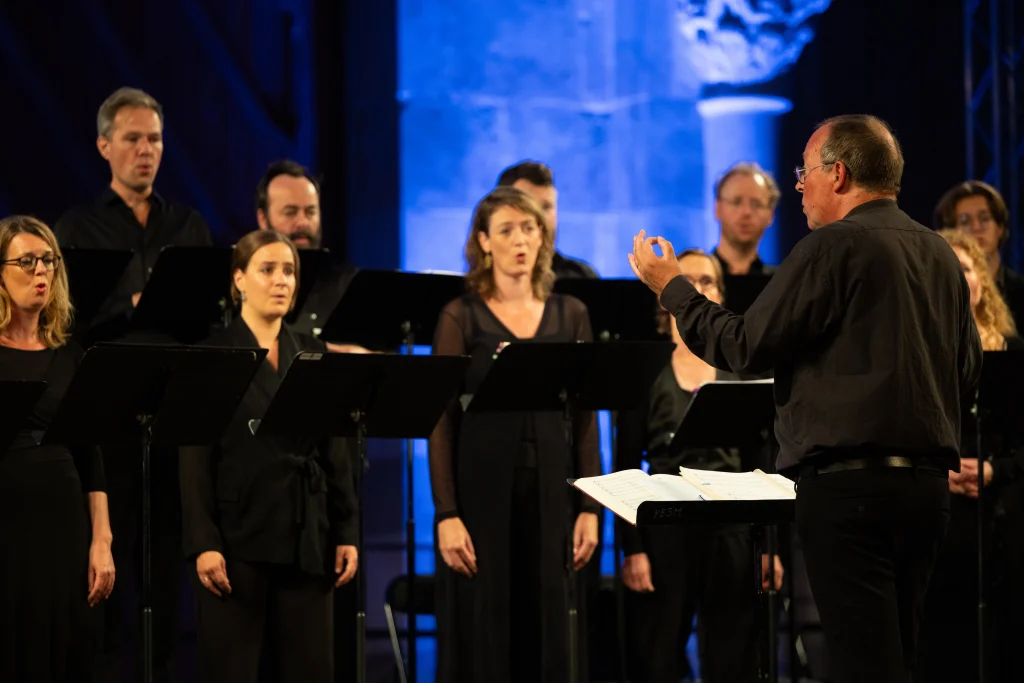
Cappella Amsterdam
Daniel Reuss conductor
background
This program brings together two approaches to Russian Orthodox choral music, rooted in the same tradition but emerging in entirely different times and circumstances. The first part of the concert, before the intermission, is devoted to the Vespers of Victor Kalinnikov. This music remains close to the liturgical practice for which it was written. Flowing melodic lines, clear harmonies, and the choir’s steady, collective breathing define its character. There is no sense of inner conflict or doubt here, only order and serenity. The prayer unfolds as a shared act, carried by a long-standing tradition in which the community speaks as one.
After the intermission, the perspective shifts radically with Alfred Schnittke’s Psalms of Repentance. Orthodox singing traditions are still recognizably present, yet they are deliberately stretched and distorted through a late-twentieth-century musical language. Schnittke composed Stikhi Pokayanniye in 1988 to mark the 1000th anniversary of the Christianization of Russia, Ukraine, and Belarus (then part of the Soviet Union in 988), basing it on anonymous sixteenth-century Russian texts on guilt and repentance.